


Georgia Log Home Restoration: Media Blasting vs Chemical Stripping
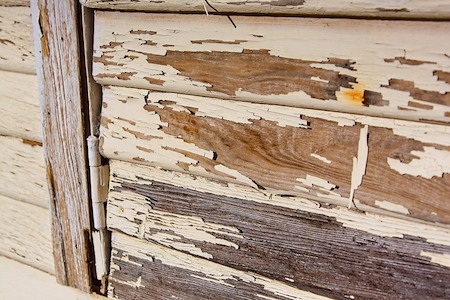
When planning Georgia log home restoration, the prep you choose determines how well new stain grips and lasts. Homeowners across Ellijay, Blue Ridge, Big Canoe, and Jasper often compare eco-friendly media blasting with chemical stripping. Below is a clear breakdown, plus local factors that matter in Georgia’s humidity and mountain weather. If you want a dry, water-safe strip before staining, our log home media blasting service is built for North Georgia conditions.
What Media Blasting Looks Like in Georgia’s Humidity Zones
Media blasting uses compressed air to remove failed finishes and sun-burned fibers with biodegradable corn cob or recycled crushed glass. The method is mostly dry, which helps in sticky summers and quick afternoon storms common in the Blue Ridge foothills.
Corn cob is gentle and great for sound wood that needs old coating removal without cutting deep into fibers. Crushed glass has more bite for layered, oil-heavy finishes. Both options leave the surface open, so stain can soak in and bond.
- Corn cob: lower profile on the wood, less risk of over-texturing.
- Crushed glass: faster on stubborn coatings and blotchy walls.
- Dry process: fewer moisture delays during humid stretches.
Tip: Drier prep in humid climates often means more predictable stain timing and fewer surprises with adhesion.
How Chemical Stripping Works and Where It Struggles
Chemical stripping relies on liquid agents that soften or dissolve old finishes. Crews apply, allow dwell time, then rinse and neutralize according to the product label. It can be effective on thick, gummy oil films and in detailed areas around trim.
Georgia’s heat and humidity can affect dwell, rinse, and dry times. The rinse step introduces water to the logs, so the schedule must allow for safe drying before stain. Neutralizing is critical. Residue left behind can fight with the new stain and cause early failure.
Warning: Do not treat chemical rinses like ordinary wash water. Runoff must be contained and handled per the manufacturer’s instructions and local rules.
Runoff, Waterways, and Job-Site Protection in Georgia
Cabins near Lake Blue Ridge, Cartecay River, or mountain streams need extra protection. Responsible contractors set ground containment, cover drains, and use collection methods so chemical rinses and wood fines do not enter state waters. Georgia authorities expect safe handling of waste and prevention of discharges to creeks and storm systems.
Media blasting usually produces dry debris that is easier to collect. Chemical stripping can work too, but only with careful containment, controlled rinse, and proper disposal. A reputable crew will plan around rain, slope, and soil type and will show you the product labels and safety data before work begins.
Homeowner reminder: Ask how your contractor will protect nearby water, landscaping, and gravel drives during prep and cleanup.
How Pros Evaluate Your Logs: Mill Glaze, Old Oil Finishes, and Adhesion Risks
Before choosing a prep method, a professional should survey the wood and current coating. The goal is a clean, open surface with no residue that would block penetration.
- Mill glaze indicators: shiny, slick surfaces on newer logs that resist wetting. This often needs either a light, even blast or appropriate surface prep to open the grain.
- Failed oil-based stain: dark, patchy sheen, sticky spots, or areas that dust off when rubbed. These are signs the binder is breaking down or overloaded with contaminants.
- Raised or sun-burned fibers: brittle gray wood that powders under light rubbing, common on south and west walls after hot summers.
- Adhesion tells: uneven water absorption patterns and flaking edges suggest the next coat will not bond well without full removal.
Want to see how wet prep compares? This breakdown of media blasting vs pressure washing before restaining explains when each makes sense and how each affects stain performance.
Side-by-Side: Corn Cob and Crushed Glass vs Chemical Strippers in Georgia
Corn cob blasting: Gentle on sound logs, removes weathered oils and UV damage, and keeps moisture out of the wood. Cleanup is straightforward and suited to tight mountain lots.
Crushed glass blasting: Faster on heavy coatings and blotches. When properly tuned, it removes buildup without gouging. Ideal for full restorations where adhesion has clearly failed.
Chemical strippers: Useful for certain oil films and detailed trim profiles. They require careful masking, runoff control, and full neutralization. Drying windows can stretch after rinsing in humid weather, which can push stain application later than planned.
Local insight: In the Blue Ridge foothills, afternoon storms can pop up fast. Plan stripping and staining in a dry window, and build in buffer time so fresh rinses or sudden showers do not reset your schedule.
Safety note: Keep containment in place until rinse water or spent media is collected and disposed of per label and local guidance.
Georgia Log Home Restoration Cost Factors To Weigh
Exact pricing varies. Still, the biggest Georgia log home restoration cost factors are consistent statewide. A clear assessment helps you choose the best value, not just the lowest line item.
- Coating type and thickness. Layered, oil-heavy films take more effort to remove.
- Access and elevation. Steep slopes, tall gables, or lakefront setbacks affect staging and containment.
- Wood condition. Soft spots, checks, and rot repairs add steps before finishing.
- Weather and timing. Humidity and pop-up rain can extend prep or drying windows.
- Environmental protection. Extra barriers, rinse collection, and hauling increase labor but protect your site and waterways.
Ask for a written plan that lists media or chemicals, masking and containment, cleanup steps, and moisture targets before staining. Clarity here prevents callbacks later.
When Each Method Makes Sense in North Georgia
Choose media blasting when the goal is a full reset to clean wood with minimal moisture risk. It shines on cabins with blotchy oil layers, UV-burned walls, and mixed-product history where adhesion is a question mark. It also reduces runoff concerns on lake and creek properties.
Choose chemical stripping for targeted areas with thick, gummy films around trim or carvings where liquids can loosen old coatings without aggressive profiling. Make sure the crew documents neutralization and verifies safe moisture content before stain.
Either way, insist on product-labeled steps, safe handling plans, and a schedule that respects the weather. That discipline is what gives new stain the long run it deserves.
Prep Today, Stain On Time, and Keep Adhesion Strong
A great strip is only half the story. Stain needs clean, open fibers and the right moisture range to bond. After blasting, finishing should follow promptly to lock in that fresh surface. If your timeline includes color and protection, explore our options for a seamless handoff from prep to finish with professional cabin staining that fits North Georgia’s UV and humidity.
For a broad look at services, you can always start at georgia log home restoration resources and plan a project that balances protection, appearance, and site safety.
Ready for a Safe, Clean Strip That Lasts?
Talk with Peak Log Home Restoration about the best prep for your cabin’s finish, location, and schedule. We will explain media choices, containment near waterways, and how we time staining for strong adhesion. If you want a dry, eco-forward reset, schedule media blasting for your Georgia cabin and get a plan that respects your wood and your land. Call us at 706-502-6863 to get started.