


Log Cabin Chinking Repair in Ellijay GA: Fixing Gaps Before Winter
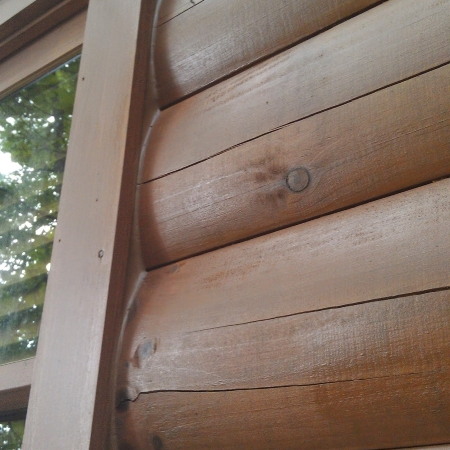
Ellijay’s mountain weather shifts fast. Warm afternoons near the Coosawattee River can turn into chilly, damp nights, and that daily swing forces your logs to move. When the logs shift, tired material can separate and let in air, water, and pests. The good news is that you can get ahead of winter by having a pro address failing seams and pair targeted chinking repair with precision caulking around critical joints so the envelope is tight before the first cold snap.
Why Ellijay Cabins Develop Gaps As Temperatures Drop
Wood breathes with humidity and temperature. In Ellijay, summer storms, foggy mornings, and drier fall air create expansion and contraction that test every joint. Homes along the river bends and shaded hollows between Cherry Log and town see long stretches of high humidity, then quick cooling after sunset. That cycle can pull older chinking away from one log face or open micro-gaps at corners, window bucks, and checks. Left alone, these leaks invite water and lead to darker stains, musty smells, and cold spots inside.
Chinking vs. Caulking: What Each One Does Best
Both systems seal your home, but they are not the same. Chinking is the flexible, textured band you see between log courses. It spans larger joints and must stretch through seasons. Caulking is smoother and built for tighter seams and transitions. In North Georgia, the best maintenance plan often uses both. Our crews repair or replace separated chinking where the gap is wide, then use professional-grade sealant to close hairline transitions so the whole wall acts like one continuous barrier.
How To Spot Separating Chinking Lines Versus Cosmetic Log Checks
Quick walk-arounds help you decide when to call in a specialist. The aim is not to DIY a fix, but to understand what you are seeing.
- Separating chinking lines: a clean edge pulling from one log face, light showing through at corners, dust trails on the seam, or a draft you can feel with your hand on breezy days.
- Cosmetic log checks: thin, vertical surface cracks along the grain that are common as logs season. They may be shallow and not tied to a joint. Checks near eaves that catch water for long periods are more concerning.
If you notice daylight, wind noise, or water staining after storms, the joint likely needs professional attention. **Delaying repairs lets moisture sit behind the sealant, which is the fast track to rot.**
Backer Rod Sizing: The Hidden Detail That Makes Seams Last
The right backer rod is the foundation of a durable repair. For most log joints, a resilient foam backer creates the proper joint shape so the sealant or chinking bonds to the two log faces and can flex season to season. Our technicians measure each run and choose a diameter that slightly compresses into the gap for a snug fit. That controlled compression supports the new material without overfilling the joint. **Using the wrong size backer rod can force a brittle, overbuilt seam that fails early.**
Application Temperatures That Protect Adhesion Before Winter
North Georgia nights cool down quickly in late fall. Sealants and chinking perform best when applied in moderate conditions so they cure as designed. We plan work when surfaces and air temperatures are in a safe, manufacturer-approved range and when walls will stay dry during cure. In practical terms, that means scheduling Ellijay cabins for sealing while daytime highs and overnight lows cooperate and humidity is reasonable. **Trying to repair seams during a cold snap or right before rain risks poor adhesion and wasted effort.**
Local insight: Cabins near river bends often see morning fog that keeps walls damp longer. A pro will time repairs so surfaces are dry and temps are stable, which helps new joints stick and flex through North Georgia’s first freeze.
Where Gaps Tend To Open Up Around Ellijay
Not every seam moves the same. Here are the places we review closely on cabins in Coosawattee River Resort, Cherry Log, and along the Cartecay:
- Inside corners and saddle notches that collect wind-driven rain
- Window and door perimeters, especially south and west faces
- Lower courses near decks and splashback zones
- Log ends and large checks that soak up water
When separation is limited to a few runs, targeted chinking repair restores a uniform seal. If aging material has failed across multiple elevations, a larger plan can combine joint work with finish maintenance for a cleaner, longer-lasting result.
Repair Approach Built For Ellijay’s Climate
Evaluate Joint Movement And Moisture
We look for the telltale signs of bond failure, measure joint widths, and note shade, sun, and prevailing storm paths. That local exposure map helps us sequence work so fresh seams are not rushed by wet weather or cold nights.
Choose Compatible Materials
Our team selects modern, flexible chinking and log-safe sealants that tolerate Ellijay’s humidity swings. Where a wide seam meets a tight transition, we may pair a clean chinking run with strategic sealant to stop micro-leaks. For a deeper dive on how those products work together, skim our article on where caulking matters most and when to re-seal.
Set Proper Joint Geometry
We size and seat the backer rod to create a joint that flexes, then tool a neat surface profile so water sheds cleanly. Corners and penetrations get special attention, since even tiny voids can invite wind-driven rain.
Chinking Repair Or Full Replacement?
In many Ellijay homes, only a few stretches of material have lost adhesion. We surgically remove failed sections and tie new work into sound runs so the wall moves as one. If the seams are brittle throughout or have pulled from both faces, full replacement provides a fresh system that matches your logs and finish. When a larger scope makes sense, combining joint work with chinking repair and replacement across the envelope restores comfort and improves energy efficiency.
Energy And Comfort: What Homeowners Notice After Repairs
Well-sealed walls feel different. Rooms stay more even, the HVAC cycles less, and winter drafts quiet down. In older cabins, a tight joint system also boosts indoor air quality by blocking fine dust and pollen pathways that sneak in through weak seams. If your goal is to trim energy waste before the coldest months, tightening the envelope is one of the highest-impact steps you can take.
Timing: Fix Gaps Before North Georgia Winter
Seasonal windows matter in the mountains. Ellijay can flip from short sleeves to coats in a week. Booking your inspection and repair before colder nights settle in gives fresh seams the cure time they need. It also means you are not scrambling when holiday guests arrive or when you plan winter rentals. For small issues caught early, we can often combine targeted repairs with professional caulking at key transitions so your home is snug before the first hard freeze.
What Our Pros Document During A Visit
A careful assessment sets the stage for durable work and fewer surprises later:
- Mapping of separated runs, drafty corners, and moisture trails on sun and shade sides
- Joint width measurements to select the correct backer rod and flexible sealant
- Surface condition checks around decks, eaves, and splashback zones
- Temperature and humidity readings to plan a safe application window
We also note any soft spots that suggest hidden decay. If needed, we coordinate follow-up repairs so new joints are supported by sound wood and protected finishes.
A Quick Word On Maintenance Cycles
After repairs, your cabin benefits from predictable checkups. A brief review after winter and again late summer helps catch small shifts early. Strong sun on open ridges may age materials faster, while shaded walls along creeks stay damp longer and need closer watch. Simple scheduling keeps your envelope tight and your finish system working.
Ready To Stop Drafts And Leaks In Ellijay, GA?
If you want a local team that understands Coosawattee microclimates and mountain cure windows, start with Peak Log Home Restoration. For a broader look at our restoration approach, you can explore log cabin chinking repair in Ellijay, GA services from our home base, then book an on-site review at a time that fits your calendar.
Seal Your Home Before The Cold Moves In
Let’s get your cabin ready for winter comfort. Call 706-502-6863 to schedule a visit with a log home specialist. We will assess movement zones, size the right backer rod, and apply climate-smart materials so your seams stretch through the season. When you are ready, request your estimate and we will reserve a weather window for your project right away.
Next step: lock in a pre-winter slot with our team and keep your cabin tight, warm, and protected. Learn more about our service at our caulking page, or ask about coordinating joint work with finish maintenance for a cleaner, longer-lasting result.