


Why Your Jasper Log Home is Turning Black: Managing Mildew and Moisture in the North Georgia Mountains
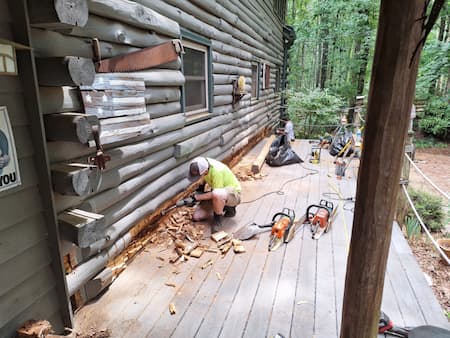
If you own a cabin here in the foothills, you have likely noticed dark patches creeping across the logs. That discoloration is often a mix of mildew, embedded grime, and moisture stains that can open the door to decay if it is not addressed with the right care. Homeowners who want reliable Log Home Restoration Jasper, GA results turn to Peak Log Home Restoration because we pair mountain-weather know‑how with log‑specific methods that protect wood rather than trap moisture.
When blackening shows up on north and east walls, under shady pines, or near decks, it is a signal to act before water finds its way deeper into the fibers. A professional assessment can determine whether you are dealing with surface growth or if hidden rot has begun and targeted professional wood rot repair is needed.
What That Black Film On Your Jasper Logs Really Is
Blackening on log walls is usually caused by living organisms and environmental staining. In our climate, organic spores land on slightly damp wood and feed on pollen, dust, and sap. Over time, the mix darkens and bonds to the surface, especially where finishes are thin.
- Mildew and mold that thrive in shade and humidity
- UV‑weathered wood fibers that darken when wet
- Wind‑blown pollen and red clay dust embedded in soft grain
- Metal staining from fasteners or fixtures reacting with tannins
These stains are not just cosmetic. When they persist, they point to excess moisture. Left alone, the same conditions that feed mildew can set the stage for decay inside lower logs, checks, and log ends.
Why North Georgia’s Mountain Weather Fuels Mildew And Rot
Jasper sits in a humid pocket where spring pollen, pop‑up summer storms, and foggy mornings keep wood damp longer than you think. Cabins near Talking Rock Creek or tucked into hollows around Bent Tree and Big Canoe dry slowly, especially on the north face. Shade from tall pines protects views but also blocks sun and wind that would otherwise dry the walls.
That constant wet‑then‑warm cycle lets spores multiply. It also swells wood fibers, opens hairline checks, and makes finishes work harder. **Any finish that traps moisture will fail faster here**, which is why breathable systems and tight joints matter so much in Pickens and Gilmer counties.
Early Warning Signs Of Moisture Problems
Watch the patterns. Surface mildew wipes away, but moisture problems repeat in the same zones and appear alongside other symptoms.
- Dark halos below deck rails, gutters, and roof drip lines
- Soft spots at lower logs or around porch posts
- Musty odor inside after heavy rain
- Bulging caulk lines, open checks, or wet log ends
- Finish that stays shiny or tacky long after a storm
**If the wood feels spongy or flakes apart, that is not just mildew.** It is time for a structured inspection by a log specialist.
How Pros Stop The Cycle In Jasper Log Homes
Because North Georgia cabins live in a damp, wooded environment, solutions must respect how logs breathe. Reputable crews do not guess at causes. They start with a moisture and exposure assessment, then map a sequence that restores wood health while keeping water out of joints and checks.
A typical professional plan in our area can include targeted removal of decayed fibers or sections, precise log or trim replacement where needed, joint sealing, and a breathable finish system. When damage is confirmed, Peak Log Home Restoration performs structural stabilization and wood rot repair designed for log profiles, not generic siding. **Fixing the source of moisture is always step one.**
Sealing matters too. For a deeper look at where joints fail and how seasons affect re‑sealing, skim our local guide to caulking a log home. Tight, flexible joints support finishes and keep bulk water out of the wood.
Stain Choices That Resist Mildew In The North Georgia Mountains
Not all finishes behave the same on round and D‑logs. Film‑forming paints and hard coatings can look great for a season, then blister or peel when trapped vapor pushes back. Breathable stains that shed water yet allow vapor to escape are a safer match for cabins in Jasper, Cherry Log, and Blue Ridge.
If your stain looks blotchy or water no longer beads on the surface, it may be time to refresh the system. Our team handles the prep and finish cycle with log‑specific products through cabin staining services that favor durability in changing mountain weather.
Common Problem Areas Around Big Canoe, Bent Tree, And Talking Rock
Local terrain and architecture create repeat trouble spots:
Deck splashback peppers the bottom courses with dirty water. Valleys and dead‑end rooflines dump concentrated runoff on the same corners. Retaining walls push water toward foundations. Tall shrubs trap damp air against logs. In higher elevations around Big Canoe, wind‑driven rain soaks west walls, while valley fog lingers on shaded faces in Bent Tree.
**Small design tweaks help when paired with maintenance.** Redirect downspouts, keep vegetation trimmed back, and make sure joints at windows, doors, and corners are flexible and intact so water cannot creep behind trim.
When Black Stains Are More Than Mildew
Surface color alone cannot tell you how deep the problem goes. What matters is how the wood feels and behaves. Soft spots, crumbling fibers at checks, and hollow‑sounding areas point to decay inside the log. Window and door corners, saddle notches, and log ends are common places for hidden damage.
At that point, cleaning or recoating will not solve it. You need a professional to expose the affected zone, remove compromised wood, and blend in new material so the cabin remains sound. That is where Jasper homeowners lean on Peak Log Home Restoration for careful evaluations and repairs that protect both structure and look.
What A Professional Visit From Peak Log Home Restoration Includes
Our specialists bring a mountain‑specific checklist that focuses on moisture movement and long‑term wood health. You will get a clear action plan that prioritizes the highest risks first, then sequences the rest so maintenance stays predictable.
Typical steps in our assessment and service plan:
- Moisture readings at lower courses, log ends, checks, and inside corners
- Finish and exposure review to spot vapor‑trapping products
- Inspection of gutters, valleys, decks, and grade for splashback and runoff
- Joint and trim evaluation to find gaps, failed beads, or hard, brittle sealants
- Recommendations for targeted repairs, sealing, and a breathable finish path
Along the way we point you to maintenance education inside our resource library, including comparisons like media blasting vs. pressure washing so you understand why prep choices matter in our humid climate.
Why Acting Now Saves Wood And Worry
Blackening may start as a seasonal nuisance, but it is also a free early‑warning system. Treat it as a sign to check joints, review your finish, and make sure water is not sneaking into log ends or lower courses. **Catching problems at the stain stage is far easier than replacing structural wood later.**
If you are seeing repeating stains under gutters or around porch posts, or if you notice soft areas at the base of walls, contact Peak Log Home Restoration for a thorough inspection. You will get a straightforward plan, explained in plain language, with work sequenced around North Georgia’s weather.
Protect Your Investment With Local Log Specialists
Your cabin is part of what makes living in Jasper special. Keeping it sound means working with a team that understands how mountain storms, shade, and pollen affect logs season by season. When you are ready to stop the black stains and protect your home for the long run, start with a practical plan and targeted repairs from people who do this work every day in our communities.
Call 706-502-6863 to schedule your on‑site assessment with Peak Log Home Restoration, or learn how we repair decay and safeguard structure on our wood rot repair page.